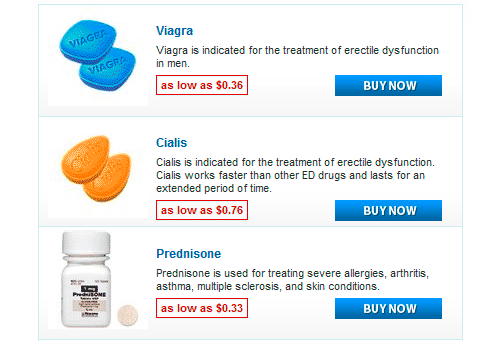

Need genuine Viagra? Avoid risky online pharmacies. We connect you directly with licensed Indian pharmacies offering verified Viagra, ensuring quality and safety.
Secure online ordering is available 24/7. Expect discreet shipping and transparent pricing – no hidden fees.
Consult a doctor? We facilitate consultations with qualified doctors specializing in men’s health, enabling you to obtain a prescription safely and conveniently.
Our priority: Your health and peace of mind. Learn more about our verification process and pharmacy partners on our dedicated page.
- Finding Reputable Online Pharmacies in India
- Understanding Indian Prescription Drug Regulations
- Prescription Requirements
- Online Pharmacies
- Importation of Medicines
- Specific Drug Categories
- Penalties for Non-Compliance
- Seeking Clarification
- Comparing Prices and Services of Online Pharmacies
- Ensuring Secure Online Transactions for Medication
- Verifying the Authenticity of Medications
- Managing Potential Side Effects and Risks
- Seeking Medical Advice Before Online Purchases
- Understanding Potential Risks
- Understanding Customer Reviews and Ratings
Finding Reputable Online Pharmacies in India
Verify the pharmacy’s license with the Central Drugs Standard Control Organisation (CDSCO) directly. Their website provides a searchable database.
Check for secure payment gateways like SSL certificates (look for the padlock icon in your browser’s address bar). Avoid pharmacies lacking secure payment options.
Read independent customer reviews on trusted platforms like Trustpilot or Google Reviews. Focus on reviews detailing specific experiences, not generic praise.
Look for pharmacies clearly displaying contact information, including a physical address and phone number. Avoid those hiding contact details.
Confirm the pharmacy’s return policy. A clear, straightforward policy shows transparency and customer protection.
Ensure the website displays details about its pharmacists and their qualifications. This indicates a commitment to professional standards.
Be wary of pharmacies offering prices significantly lower than competitors. Unusually cheap medication may indicate counterfeit products.
Consult your doctor before purchasing any medication online. They can advise on safe and appropriate treatment options.
Report suspicious online pharmacies to the appropriate authorities. Help maintain a safer online pharmaceutical market.
Understanding Indian Prescription Drug Regulations
Always obtain prescriptions from licensed medical professionals in India. This ensures you receive medications safely and legally.
Prescription Requirements
- Prescriptions must include the doctor’s name, registration number, and contact details.
- The patient’s full name and address are mandatory.
- The prescription must specify the drug’s name, dosage, quantity, and frequency of administration.
- The prescription needs a date of issue.
Pharmacies are legally obligated to verify prescriptions before dispensing medication.
Online Pharmacies
While convenient, online pharmacies must be registered with the relevant authorities. Check their licensing before ordering. Always confirm the legitimacy of the site.
Importation of Medicines
Importing medications without proper permits is illegal. If you need medication not available in India, consult a doctor and follow legal import procedures.
Specific Drug Categories
- Narcotics and psychotropic substances require special licenses and stringent regulations.
- Many controlled substances are subject to quantity limits per prescription.
Penalties for Non-Compliance
Violating these regulations can lead to fines or imprisonment. Always prioritize legal and safe medication acquisition.
Seeking Clarification
For detailed information, consult the Central Drugs Standard Control Organisation (CDSCO) website or a legal professional specializing in pharmaceutical law in India.
Comparing Prices and Services of Online Pharmacies
Check multiple pharmacies’ websites directly. Compare prices for the same medication, including shipping costs. Factor in any potential prescription fees.
Look for licensed pharmacies. Verify their accreditation through official regulatory bodies. Confirm they have a physical address and contact information readily available.
| Pharmacy | Price (USD) | Shipping Cost (USD) | License Verification | Customer Reviews |
|---|---|---|---|---|
| Example Pharmacy A | $50 | $10 | Link to License | 4.5 stars |
| Example Pharmacy B | $60 | $5 | Link to License | 4 stars |
| Example Pharmacy C | $45 | $15 | Link to License | 3.8 stars |
Read customer reviews. Pay attention to delivery times and customer service experiences. Negative reviews often highlight potential issues.
Prioritize secure payment gateways. Look for SSL certificates (the padlock icon in your browser’s address bar). Avoid pharmacies that only accept unusual payment methods.
Confirm your medication’s authenticity. Check the packaging for manufacturer details and authenticity seals. Contact the manufacturer directly if you have concerns.
Understand return policies. Know the pharmacy’s policy on returns and refunds in case of damaged goods or incorrect orders.
Ensuring Secure Online Transactions for Medication
Verify the pharmacy’s license and accreditation with your national regulatory body. Check for a physical address and contact information.
Look for a secure website, indicated by “https” and a padlock icon in your browser’s address bar. SSL encryption protects your data during transmission.
Read customer reviews and testimonials on independent review sites to gauge the pharmacy’s reputation and reliability. Pay attention to comments regarding order fulfillment and customer service.
Use a credit card or payment method with strong buyer protection. Familiarize yourself with your card provider’s dispute resolution process.
Confirm the pharmacy’s privacy policy ensures data confidentiality and compliance with relevant data protection regulations (like HIPAA in the US or GDPR in Europe).
Always maintain a record of your transaction, including order confirmation, payment details, and tracking information. This aids in resolving potential issues.
Be wary of suspiciously low prices or offers that seem too good to be true. Counterfeit medications can be dangerous.
Contact the pharmacy directly with any questions or concerns before making a purchase. A responsive customer service team is a good sign.
Report any suspicious activity or fraudulent transactions to the appropriate authorities. Your feedback helps protect other consumers.
Verifying the Authenticity of Medications
Check the manufacturer’s website for a unique identification number or code printed on your medication. This usually involves entering the number online to confirm legitimacy.
Examine the packaging carefully. Look for inconsistencies like blurry printing, misspellings, or unusual colors. Compare it to images on the official manufacturer’s site.
Scrutinize the pill itself. Note its shape, size, color, and any markings. Discrepancies from the manufacturer’s specifications suggest a counterfeit.
Purchase medications from licensed pharmacies only. Avoid online vendors without proper certification or those offering suspiciously low prices. A reputable pharmacy will verify authenticity.
Contact your physician or pharmacist directly with any concerns. They can help identify potential issues and guide you to safe sources for your prescription.
Report suspected counterfeit medications to the appropriate authorities. This helps protect others from potentially harmful drugs and improves regulatory oversight.
Use a medication verification app (available on smartphones) if appropriate. Many apps provide scanning capabilities to check authenticity against official databases.
Store your medications properly. Improper storage can damage the medication and make it hard to verify its condition. Follow instructions on the package.
Be aware of common counterfeiting techniques. This includes altered packaging, differing pill characteristics, and unauthorized online sellers.
Managing Potential Side Effects and Risks
Consult your doctor before starting any medication, including Viagra.
Report any persistent headaches, vision changes (blurred vision, blue tint), chest pain, or difficulty breathing to your physician immediately. These could indicate serious complications.
Understand that Viagra can lower blood pressure. If you have heart problems or take nitrates, this interaction can be dangerous. Discuss this with your doctor.
Priapism (a prolonged and painful erection lasting more than four hours) is a rare but serious side effect requiring immediate medical attention.
Be aware that Viagra can cause nasal congestion and flushing. These side effects are generally mild and temporary.
Avoid grapefruit juice while taking Viagra, as it can interfere with medication metabolism and increase the risk of side effects.
Follow your doctor’s prescribed dosage carefully. Never exceed the recommended amount.
Maintain an open dialogue with your doctor about your health and any concerns regarding medication. Regular checkups are helpful for managing potential risks.
Inform your doctor about all medications, supplements, and herbal remedies you are currently taking to avoid potential drug interactions.
Store Viagra according to the instructions provided by your pharmacist to maintain its potency and safety.
Seeking Medical Advice Before Online Purchases
Consult your doctor or pharmacist before buying medication online, especially prescription drugs like Viagra. They can assess your health, identify potential drug interactions, and recommend the safest and most effective treatment.
Understanding Potential Risks
Online pharmacies may sell counterfeit or substandard medications. These can be ineffective, cause adverse reactions, or even be dangerous. Your doctor can help you avoid these risks by recommending reputable sources or providing samples.
Discuss your medical history fully. Conditions like heart disease, high blood pressure, or liver problems can significantly interact with medications. Your doctor’s guidance ensures you use medication safely and appropriately.
Consider the dosage and frequency. Never adjust your medication without your doctor’s approval. Incorrect dosages can lead to health complications. Your physician will create a personalized plan.
Report any side effects immediately to your healthcare provider. This allows for timely adjustments and prevents potential harm. Open communication is key to safe medication use.
Always ask about legitimate online pharmacies if you’re considering online purchases. Your doctor can offer guidance on safe purchasing options or provide alternatives.
Understanding Customer Reviews and Ratings
Prioritize reviews with detailed descriptions and specific examples. These offer far more insight than short, generic comments.
Analyze the review distribution. A concentration of 1-star or 5-star reviews warrants further investigation. Look for patterns and common themes.
- High number of 1-star reviews? Investigate recurring negative feedback points.
- Overwhelmingly positive feedback? Check for authenticity. Are reviews too similar? Are reviewers’ profiles genuine?
Focus on actionable feedback. Identify recurring issues mentioned across multiple reviews. Address these directly to improve products or services.
- Create a system for tracking and responding to customer feedback.
- Use sentiment analysis tools to quickly assess the overall tone of reviews.
- Publicly acknowledge and address negative reviews professionally; show you value customer opinions.
Consider the source. Reviews on different platforms may differ significantly. Analyze reviews from multiple sources for a holistic view.
Remember review counts. A higher number of reviews usually indicates a more reliable picture, but always consider the quality over quantity.
Track changes. Monitor review trends over time. This helps gauge the effectiveness of implemented changes based on customer feedback.