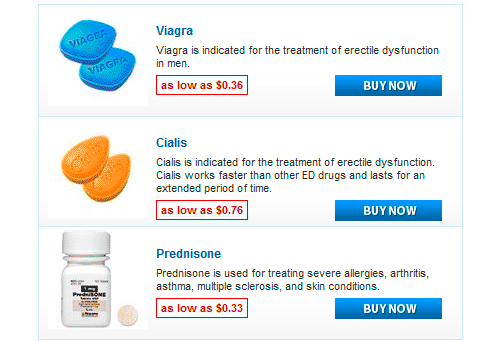

Feel the difference with our expertly curated selection of Levitra, Cialis, and Viagra. Experience renewed vitality and performance, tailored to your specific needs.
Choose the right medication for you: Levitra offers a rapid onset, ideal for spontaneity. Cialis provides longer-lasting effects, perfect for planning. Viagra remains a trusted and reliable option for consistent results.
Our discreet, secure online pharmacy provides fast, confidential delivery. We prioritize your privacy and satisfaction. Consult our licensed physician for a personalized consultation to determine the best treatment plan for you.
Get started today: Complete our short online questionnaire, and a doctor will review your information. We’ll guide you through every step of the process.
Experience the difference – regain your confidence and enjoy life to the fullest.
- Levitra, Cialis, Viagra: Choosing the Right Medication for You
- Duration Matters
- Beyond Duration: Individual Responses
- Side Effects
- Finding the Right Fit
- Your Doctor’s Guidance
- Understanding Erectile Dysfunction and Treatment Options
- Causes of Erectile Dysfunction
- Treatment Options
- Finding the Right Treatment
- Additional Considerations
- Comparing Levitra, Cialis, and Viagra: Dosage and Side Effects
- How to Discuss Erectile Dysfunction with Your Doctor
- Finding a Reputable Source for Erectile Dysfunction Medication
- Managing Potential Side Effects of Erectile Dysfunction Medications
- Managing Digestive Issues
- Addressing Vision Changes
- Muscle Aches
- Long-Term Strategies for Erectile Dysfunction Management
Levitra, Cialis, Viagra: Choosing the Right Medication for You
Consider your needs. Viagra provides rapid onset (30-60 minutes), ideal for spontaneous intimacy. Cialis offers a longer duration (up to 36 hours), perfect for planned encounters. Levitra strikes a balance, offering a duration of 4-5 hours and a relatively quick onset (around 60 minutes).
Duration Matters
For infrequent use, Viagra’s fast action might suffice. Cialis excels for maintaining readiness over an extended period. Levitra presents a middle ground, suitable for those who need more flexibility than Viagra but less duration than Cialis.
Beyond Duration: Individual Responses
Each medication interacts differently with individual metabolisms. One might experience better results with Levitra than Viagra, or vice versa. A doctor can help determine which medication will likely be the most effective for you, based on your health history and individual factors. Discuss potential side effects with your physician.
Side Effects
Common side effects include headache, facial flushing, and nasal congestion. These typically subside within a few hours. Rarely, more serious side effects can occur. Consult your doctor immediately if you experience vision changes, chest pain, or prolonged erection.
Finding the Right Fit
Open communication with your doctor is key. They will conduct a thorough assessment to determine your suitability for these medications and recommend the most appropriate choice based on your unique circumstances. Don’t hesitate to ask questions and express your concerns.
Your Doctor’s Guidance
Remember: self-treating can be risky. Consult a medical professional before starting any medication for erectile dysfunction. They will provide a personalized assessment and help you choose the medication best suited for your individual needs and health profile.
Understanding Erectile Dysfunction and Treatment Options
Seek professional medical advice for diagnosis and treatment. Self-treating can be harmful.
Causes of Erectile Dysfunction
- Underlying health conditions: Diabetes, heart disease, and high blood pressure frequently contribute.
- Lifestyle factors: Smoking, excessive alcohol consumption, and lack of exercise negatively impact erectile function.
- Psychological factors: Stress, anxiety, and depression can significantly affect sexual performance.
- Medications: Certain prescription drugs may have erectile dysfunction as a side effect.
Treatment Options
Several effective treatments exist. Your doctor will determine the best option based on your individual circumstances.
- Lifestyle Changes: A healthy diet, regular exercise, and stress management techniques often improve symptoms.
- Oral Medications: Phosphodiesterase-5 (PDE5) inhibitors, such as Viagra, Cialis, and Levitra, increase blood flow to the penis.
- Other Medications: Hormone replacement therapy may be necessary for hormonal imbalances.
- Injections: Direct injections into the penis can facilitate an erection.
- Vacuum Erection Devices: These devices help achieve and maintain an erection.
- Penile Implants: Surgical implantation of devices to enable erections is a last resort.
Finding the Right Treatment
Open communication with your doctor is key. Discuss your medical history, symptoms, and concerns to develop a personalized treatment plan. Regular follow-up appointments are important to monitor progress and make adjustments as needed.
Additional Considerations
- Mental health support: Therapy can address psychological factors contributing to ED.
- Relationship counseling: Addressing relationship issues related to ED can improve intimacy.
Comparing Levitra, Cialis, and Viagra: Dosage and Side Effects
Start with your doctor to determine the best medication and dosage for you.
Viagra: Typically starts at 50mg, can range from 25mg to 100mg. Common side effects include headache, flushing, and nasal congestion. Rarely, more serious side effects occur.
Cialis: Comes in daily (2.5mg or 5mg) and as-needed (10mg or 20mg) doses. Side effects mirror Viagra, but back pain and muscle aches are slightly more common. Daily use minimizes side effects by maintaining consistent lower levels of the medication in your body.
Levitra: Starts typically at 10mg, adjustable to 5mg or 20mg. Side effects largely align with Viagra and Cialis, although dizziness is sometimes reported more frequently.
Dosage adjustments are common based on individual response and potential interactions with other medications. Always discuss potential side effects with your physician. They can help manage any issues that may arise.
Remember, this information is for general knowledge and shouldn’t replace a consultation with a healthcare professional. They can provide tailored advice and monitor your progress.
How to Discuss Erectile Dysfunction with Your Doctor
Schedule a private appointment.
Bring a list of your medications, including supplements.
Describe your symptoms clearly, noting frequency, duration, and severity. Use specific examples; for instance, “I have difficulty achieving an erection about three times a week.”
Discuss your lifestyle: exercise, diet, sleep, stress levels, and alcohol or tobacco use. Be honest; this information helps your doctor identify contributing factors.
Ask about potential causes and available treatment options. Don’t hesitate to clarify anything unclear.
Explore the pros and cons of each treatment option with your doctor to determine the best approach for your individual needs.
Discuss potential side effects of any medication before starting treatment.
Ask about follow-up appointments to monitor your progress and make adjustments as needed.
Involve your partner in the discussion if you feel comfortable doing so.
Remember, open communication is key to effective treatment.
Finding a Reputable Source for Erectile Dysfunction Medication
Prioritize licensed online pharmacies verified by regulatory bodies like the PharmacyChecker Verification Program or LegitScript. These organizations rigorously assess pharmacies for safety and legitimacy.
Check for secure payment gateways (HTTPS) and patient privacy policies protecting your personal and medical information. Scrutinize the website for contact information–a physical address and phone number build trust.
Read independent reviews and testimonials from other patients. Look for consistent positive feedback regarding order fulfillment, customer service, and medication efficacy. Be wary of overwhelmingly positive reviews; they might be fake.
Consult your doctor before purchasing any erectile dysfunction medication online or in person. They can assess your health, discuss potential drug interactions, and advise on the appropriate treatment.
Compare prices across multiple reputable pharmacies, but prioritize safety and verification over slight price differences. Beware of extraordinarily low prices, often a sign of counterfeit drugs.
Only use pharmacies that require a valid prescription before dispensing medication. This protects you from acquiring potentially harmful counterfeit products.
Managing Potential Side Effects of Erectile Dysfunction Medications
Drink plenty of water to help your body process the medication and minimize dehydration, a common side effect. This is especially important if you experience headaches or flushing.
If you experience headaches, try over-the-counter pain relievers like ibuprofen or acetaminophen. However, always check with your doctor before combining medications.
Nasal congestion is another potential side effect. Consider using a saline nasal spray to alleviate discomfort. Avoid decongestants unless your doctor advises it.
Managing Digestive Issues
Some men experience indigestion or upset stomach. Eating a light meal before taking the medication may help. Avoid fatty or spicy foods.
If you experience prolonged or severe digestive problems, contact your doctor immediately.
Addressing Vision Changes
Minor vision changes, such as blurry vision or changes in color perception, are possible. These effects usually resolve quickly. If vision changes persist or worsen, seek medical attention.
Muscle Aches
Muscle aches are a relatively common side effect. Gentle exercise and rest can help manage this discomfort. Avoid strenuous activity until the effects subside.
Remember to always discuss any side effects with your doctor or pharmacist. They can provide personalized advice and help you manage any discomfort effectively.
Long-Term Strategies for Erectile Dysfunction Management
Prioritize regular exercise; aim for at least 150 minutes of moderate-intensity cardio per week. This improves cardiovascular health, a key factor in erectile function.
Maintain a healthy weight. Obesity significantly contributes to ED. Consult a nutritionist for a personalized diet plan focusing on fruits, vegetables, and lean proteins.
Manage stress effectively. Chronic stress negatively impacts sexual health. Incorporate stress-reduction techniques like yoga, meditation, or spending time in nature.
Quit smoking. Smoking damages blood vessels, hindering blood flow crucial for erections. Seek support groups or nicotine replacement therapy if needed.
Limit alcohol consumption. Excessive alcohol intake can interfere with erectile function. Moderation is key.
Address underlying health conditions. Diabetes, high blood pressure, and high cholesterol often contribute to ED. Work closely with your doctor to manage these conditions.
Consider professional help. A therapist can provide support for addressing psychological factors that may influence erectile dysfunction. A urologist can explore medical options.
| Strategy | Frequency | Expected Outcome |
|---|---|---|
| Exercise | 150 minutes/week | Improved cardiovascular health, better blood flow |
| Healthy Diet | Daily | Weight management, improved overall health |
| Stress Reduction | Daily/Weekly | Reduced stress levels, improved mental well-being |
| Smoking Cessation | Ongoing | Improved vascular health |
| Moderate Alcohol Consumption | As needed | Reduced interference with erectile function |
| Medical Management | As needed | Control of underlying conditions |
| Therapy | As needed | Improved psychological well-being |
Regular check-ups with your doctor are crucial for monitoring your progress and adjusting your management plan as needed.