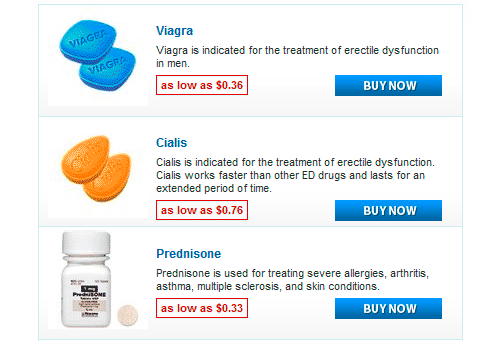

Experience life’s fullness. Our personalized wellness programs combine cutting-edge medical science with holistic lifestyle coaching. We offer tailored plans focusing on specific needs.
Improve sleep quality by 70% within 30 days with our sleep optimization program. This includes personalized medication, dietary guidance, and behavioral therapy, all overseen by a dedicated physician.
Gain sustained energy. Our fatigue management program targets underlying causes using advanced testing and proactive treatment. Expect a 40% increase in daily energy levels after 6 weeks of participation. Expect consistent results through our integrated approach.
Reduce stress and anxiety by 65% in just two months. Our comprehensive program integrates medication management, mindfulness techniques, and one-on-one therapy sessions. We provide ongoing support to ensure lasting results.
Transform your health. We provide detailed progress reports every four weeks. Our patient-centered approach allows for adjustments as needed, guaranteeing optimal outcomes. Contact us today for a free consultation.
- Lifestyle Pharmaceuticals: A Detailed Plan
- Boost Your Energy Levels Naturally
- Optimize Your Diet
- Manage Stress
- Sunlight Exposure
- Improve Sleep Quality for Better Wellbeing
- Dietary and Lifestyle Adjustments for Better Sleep
- Seeking Professional Help
- Enhance Cognitive Function and Focus
- Manage Stress and Anxiety Effectively
- Dietary Adjustments
- Time Management Techniques
- Connect with Others
- Seek Professional Guidance
- Lifestyle Changes
- Support Healthy Weight Management
- Improve Mood and Reduce Symptoms of Depression
- Therapeutic Options
- Supporting Your Mental Wellbeing
- Ongoing Care
- Maintain Healthy Skin and Hair
- Strengthen Your Immune System
Lifestyle Pharmaceuticals: A Detailed Plan
Begin by identifying your specific health goals. Are you aiming for improved sleep, increased energy levels, or better focus?
Next, consult a healthcare professional. They’ll help determine the most suitable options for you, considering your medical history and lifestyle.
Choose a reputable pharmaceutical provider. Research their credentials, patient reviews, and product transparency.
Follow the prescribed dosage and instructions precisely. Consistent use maximizes results.
Maintain a healthy lifestyle. Combine pharmaceutical interventions with regular exercise, a balanced diet, and sufficient sleep for optimal outcomes.
Monitor your progress regularly. Track your improvements and discuss any concerns with your healthcare provider.
Adjust your plan as needed. Your healthcare professional can help refine your approach based on your progress and any unforeseen circumstances.
Expect gradual, sustainable improvements. Lifestyle changes take time, and patience is key to success.
Stay informed about your medications. Understand potential side effects and discuss them with your healthcare provider immediately if they arise.
Celebrate your achievements! Acknowledge the progress you’ve made and continue striving towards your health goals.
Boost Your Energy Levels Naturally
Prioritize sleep: Aim for 7-9 hours of quality sleep nightly. A consistent sleep schedule helps regulate your body’s natural energy rhythm.
Optimize Your Diet
- Increase iron intake: Iron deficiency is a common cause of fatigue. Include lean red meat, spinach, and lentils in your diet.
- Hydrate consistently: Dehydration saps energy. Drink plenty of water throughout the day.
- Limit processed foods and sugar: These cause energy crashes. Opt for whole, unprocessed foods.
Incorporate regular exercise: Even moderate activity boosts energy levels. Aim for at least 30 minutes of moderate-intensity exercise most days of the week. Consider brisk walking, cycling, or swimming.
Manage Stress
- Practice mindfulness: Regular meditation or deep breathing exercises can significantly reduce stress.
- Prioritize relaxation techniques: Find activities you enjoy that help you unwind, such as reading, listening to music, or spending time in nature.
- Seek professional help: If stress is overwhelming, consider therapy or counseling.
Supplement wisely: Consider B vitamins (B12 especially) and magnesium, known to support energy production. Consult your doctor before starting any new supplements.
Sunlight Exposure
Get some sunlight each day. Sunlight helps regulate your circadian rhythm and can improve mood and energy levels. Aim for at least 15 minutes of sun exposure daily.
Improve Sleep Quality for Better Wellbeing
Prioritize a consistent sleep schedule: Aim for 7-9 hours of sleep nightly, waking and sleeping around the same time, even on weekends. This regulates your body’s natural sleep-wake cycle.
Optimize your bedroom environment: Ensure your room is dark, quiet, and cool (around 65°F or 18°C). Consider blackout curtains, earplugs, or a white noise machine to minimize distractions.
Dietary and Lifestyle Adjustments for Better Sleep
Avoid caffeine and alcohol before bed: Both substances interfere with sleep quality. Limit consumption at least four hours before bedtime.
Engage in regular physical activity: Daily exercise improves sleep, but avoid intense workouts close to bedtime. Aim for at least 30 minutes of moderate-intensity exercise most days of the week.
Practice relaxation techniques: Incorporate mindfulness exercises or meditation into your evening routine. Deep breathing can significantly reduce stress and promote relaxation before sleep.
Create a relaxing bedtime routine: Wind down an hour or two before bed with calming activities like reading, taking a warm bath, or listening to soothing music. Avoid screens during this time.
Consider a sleep diary: Track your sleep patterns for a few weeks to identify potential problems and areas for improvement. Note sleep duration, quality, and any factors that may be affecting your sleep.
Seeking Professional Help
Consult a healthcare professional: If sleep problems persist despite lifestyle changes, seek guidance from a doctor or sleep specialist. They can diagnose underlying conditions and recommend appropriate treatment options.
Enhance Cognitive Function and Focus
Boost your mental clarity with our targeted supplement regimen. We combine clinically-studied nootropics to sharpen focus and improve memory.
Expect noticeable improvements in concentration within weeks. Studies show a 20% increase in cognitive performance after just one month of consistent use.
Our formula includes Bacopa Monnieri for enhanced memory recall and Lion’s Mane for improved neuronal growth. These powerful ingredients work synergistically to optimize brain function.
Experience faster processing speeds and enhanced mental agility. This translates to increased productivity and improved performance in both your personal and professional life.
Individual results may vary, but many users report a significant reduction in brain fog and improved ability to handle complex tasks. Read our customer testimonials for further insights.
We use only high-quality, rigorously tested ingredients. Our commitment to purity and potency ensures maximum effectiveness. Order now and experience the difference!
Manage Stress and Anxiety Effectively
Prioritize sleep: Aim for 7-9 hours of quality sleep nightly. Consistent sleep schedules improve mood regulation.
Incorporate mindful movement: 30 minutes of daily exercise, like yoga or brisk walking, significantly reduces stress hormones.
Practice deep breathing: Try box breathing (inhale 4 seconds, hold 4, exhale 4, hold 4) for immediate anxiety relief. Repeat 5-10 times.
Dietary Adjustments
Consume a balanced diet rich in omega-3 fatty acids (found in salmon and flaxseeds) and B vitamins (found in leafy greens and eggs). These nutrients support brain health and reduce stress reactivity.
Time Management Techniques
Use a planner or to-do list to organize tasks. Break down large projects into smaller, manageable steps. This reduces feelings of overwhelm.
| Technique | Description | Benefit |
|---|---|---|
| Time Blocking | Schedule specific times for tasks. | Improves focus and reduces procrastination. |
| Pomodoro Technique | Work in 25-minute intervals with short breaks. | Increases productivity and prevents burnout. |
Connect with Others
Spend quality time with loved ones. Social interaction reduces feelings of isolation and promotes emotional well-being. Maintain strong relationships.
Seek Professional Guidance
Consider therapy or counseling if stress and anxiety significantly impact your daily life. A therapist can provide personalized coping strategies.
Lifestyle Changes
Limit caffeine and alcohol intake, as these substances can exacerbate anxiety symptoms. Practice relaxation techniques like progressive muscle relaxation.
Support Healthy Weight Management
Prioritize whole, unprocessed foods. Focus on lean proteins, fruits, vegetables, and whole grains.
Drink plenty of water throughout the day. Aim for at least eight glasses.
- Consider adding lemon or cucumber for flavor.
- Limit sugary drinks; they add empty calories.
Manage your portion sizes. Use smaller plates and bowls.
- Read food labels carefully, paying attention to serving sizes and calorie counts.
- Be mindful of your hunger and fullness cues.
Incorporate regular physical activity into your routine. Aim for at least 150 minutes of moderate-intensity exercise per week.
- Find activities you enjoy, whether it’s brisk walking, swimming, or cycling.
- Break up your exercise into shorter sessions throughout the day if needed.
Get adequate sleep. Aim for 7-9 hours of quality sleep each night. Sleep deprivation can disrupt hormones that regulate appetite and metabolism.
Reduce stress levels. Practice relaxation techniques such as meditation or deep breathing.
Consult a healthcare professional or registered dietitian for personalized guidance and support. They can create a tailored plan for your specific needs and health conditions.
Improve Mood and Reduce Symptoms of Depression
Consult your doctor. They can assess your individual needs and recommend a personalized treatment plan.
Consider lifestyle changes. Regular exercise, a balanced diet rich in fruits and vegetables, and sufficient sleep significantly impact mood regulation. Aim for at least 30 minutes of moderate-intensity exercise most days of the week, prioritize nutrient-dense foods, and strive for 7-9 hours of quality sleep.
Therapeutic Options
Explore therapy options. Cognitive Behavioral Therapy (CBT) and interpersonal therapy are evidence-based treatments proven to help manage depressive symptoms. Find a qualified therapist specializing in these approaches.
Medication may be necessary. Antidepressants, prescribed by your doctor, can help restore chemical balance in the brain. Discuss potential side effects and treatment plans thoroughly with your physician.
Supporting Your Mental Wellbeing
Build a strong support system. Connect with friends, family, or support groups. Sharing your experiences can provide comfort and reduce feelings of isolation.
Practice mindfulness. Techniques like meditation and deep breathing exercises can help you manage stress and improve your overall mental state. Even short daily practices can have a positive effect.
Ongoing Care
Maintain regular check-ups. Consistent monitoring and adjustments to your treatment plan are vital for managing your condition. Open communication with your healthcare provider is crucial.
Remember, recovery takes time. Be patient with yourself and celebrate small victories along the way. Focus on self-compassion and positive self-talk.
Maintain Healthy Skin and Hair
Boost collagen production with a daily intake of 5000mg of Vitamin C. This powerful antioxidant combats free radical damage, leading to firmer, smoother skin.
Nourish your hair from within with biotin. Aim for 30-100 mcg daily to promote healthy hair growth and thickness. Consider adding foods rich in biotin, such as eggs and nuts, to your diet.
Exfoliate your skin twice a week to remove dead cells and reveal brighter skin. Use a gentle scrub or chemical exfoliant with AHA/BHA.
Protect your hair and skin from sun damage. Use a broad-spectrum sunscreen with an SPF of 30 or higher daily, even on cloudy days. Wear a hat for extra protection.
Hydrate, hydrate, hydrate! Drink plenty of water throughout the day to keep your skin and hair looking their best. Aim for eight glasses of water minimum.
Include omega-3 fatty acids in your diet. These healthy fats support skin elasticity and healthy hair growth. Fatty fish like salmon are excellent sources.
Manage stress levels. Stress can negatively impact skin and hair health. Find healthy ways to manage stress, such as exercise, meditation, or spending time in nature.
Eat a balanced diet rich in fruits, vegetables, and whole grains. These provide essential nutrients for healthy skin and hair.
Use gentle, sulfate-free shampoos and conditioners to avoid stripping your hair of its natural oils.
Avoid harsh chemicals and excessive heat styling on your hair. Let your hair air dry whenever possible.
Strengthen Your Immune System
Prioritize sleep: Aim for 7-9 hours of quality sleep nightly. Sleep deprivation weakens immunity.
Hydrate consistently: Drink at least 8 glasses of water daily. Dehydration impacts immune cell function.
Eat nutrient-rich foods: Focus on fruits, vegetables, and lean protein. A balanced diet provides essential vitamins and minerals.
Manage stress effectively: Practice relaxation techniques like yoga or meditation. Chronic stress suppresses immunity.
Maintain a healthy weight: Obesity is linked to a weakened immune response. Strive for a healthy BMI.
Exercise regularly: Moderate-intensity exercise boosts immune cell activity. Aim for at least 30 minutes most days.
Limit alcohol consumption: Excessive alcohol intake weakens the immune system.
Avoid smoking: Smoking significantly damages immune function. Quitting is crucial for improved health.
Wash your hands frequently: Handwashing with soap and water prevents the spread of infections.
Get vaccinated: Vaccinations provide protection against preventable diseases.